The Church of England’s General Synod has formally decided not to proceed with the introduction of stand-alone blessing services for same-sex couples, bringing to an end a lengthy and closely watched internal debate.
During its latest session, Synod members backed a motion put forward by the bishops to conclude the Living in Love and Faith (LLF) initiative and stop additional work aimed at authorizing dedicated services for couples in civil same-sex marriages, according to The Telegraph.
The outcome followed several hours of deliberation, underscoring that no broad consensus had emerged between more conservative and progressive members of the Church.
The bishops’ motion passed by a margin of 252 to 132, with 21 abstentions. Voting breakdowns showed substantial majorities in the houses of clergy and laity, while bishops gave unanimous backing aside from two abstentions.
Rather than advancing proposals for blessing ceremonies, the Synod agreed to establish new working groups focused on relationships, sexuality and gender, allowing conversations to continue in a different format, Church Times reported.
The approved motion also included an apology for the hurt and division experienced throughout the process and officially marked the end of the nine-year LLF project.
Church leaders concluded that significant theological and legal obstacles currently prevent the creation of separate blessing liturgies. Even so, Synod members affirmed that dialogue on these issues should proceed through newly formed structures.
As a result of the vote, same-sex marriage and dedicated blessing services remain outside official Church of England practice.
However, prayers of blessing for same-sex couples within regular Sunday services remain permitted under guidelines introduced in 2023.
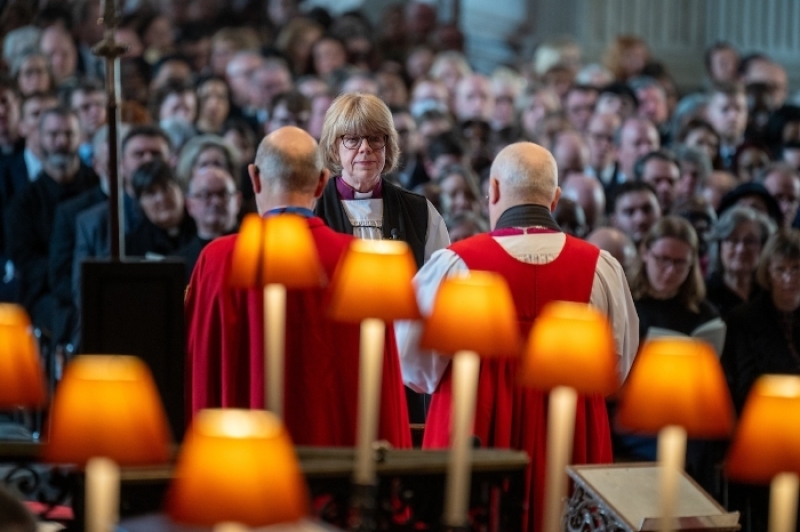
Archbishop of Canterbury Sarah Mullally told Synod that the discussion had reached into foundational theological beliefs and questions of Anglican identity. She acknowledged that the process had caused pain for individuals and the wider Church, while also thanking members for remaining committed to dialogue.