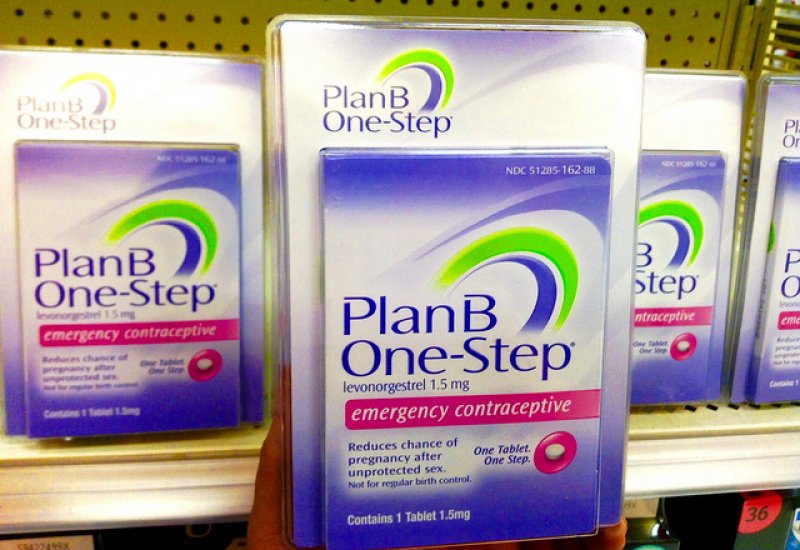
A Christian pharmacy in the state of Washington is in danger of losing business for not selling abortifacient drugs like morning-after pills, which they believe would be violating their religious conscience.
Ralph's Thriftway and two pharmacists Rhonda Mesler and Margo Thelen have appealed to the Supreme Court against the Washington state rules that require pharmacists to sell abortifacent drugs including morning-after and week-after pills.
Pro-life groups have maintained their stand that emergency contraceptives, such as levonorgestrel are abortion inducing, as they block anchoring of a fertilized egg on the uterus, thus ending the life of the embryo.
Washington adopted a new law in 2007 called the Washington Pharmacy Quality Assurance Commission that allows pharmacies to refer patients to other retailers for business or convenience, but does not permit them to be able to do so for religious reasons. The law cost pharmacist Thelen her job, while Mesler can lose hers if the regulations do not change. All of the other states of America allow pharmacies to make referrals to different stores for reasons of conscience.
"Governments may not pass laws that target religious conduct for negative treatment while exempting the same conduct when done for nonreligious reasons," reads the writ of certiorari filed by the three plaintiffs on Monday.
Back in 2007, the pharmacy had challenged the Commission on the grounds of violation of religious freedom, and the District Court Judge Ronald Leighton granted a preliminary injunction to the plaintiffs, which was subsequently turned down by Ninth Circuit Court.
The commission has two administrative rules, the "Pharmacist Responsibility Rule" and the "Delivery Rule," which lay out the guidelines of adopting the medicines.
According to the "Responsibility Rule" pharmacies have to provide "lawful prescriptions," while allowing religious exemption for retail outlets and pharmacists.
However, the "Delivery Rule" does not carry any exemption for religious or conscientious reasons for not delivering "lawful prescriptions," which include emergency contraceptives such as morning-after pills.
Luke Goodrich of Becket Fund for Religious Liberty, which will be representing the pharmacists in the case, argued that the rule does several exceptions in delivering drugs, but that the religious exemption is not included.
"[Under the law,] it's perfectly legal for a pharmacy to say we're not going to stock the week after pill because we think its unprofitable or we want to specialize in geriatric drugs and don't want to stock that drug or even if you run out, that's fine too, but if you don't have the drug because your religion forbids you, that is illegal. The actual text of the rule lays out a general obligation that pharmacies have a duty to deliver legal drugs in a timely manner and then has a bunch of exceptions," he told The Daily Caller News Foundation.