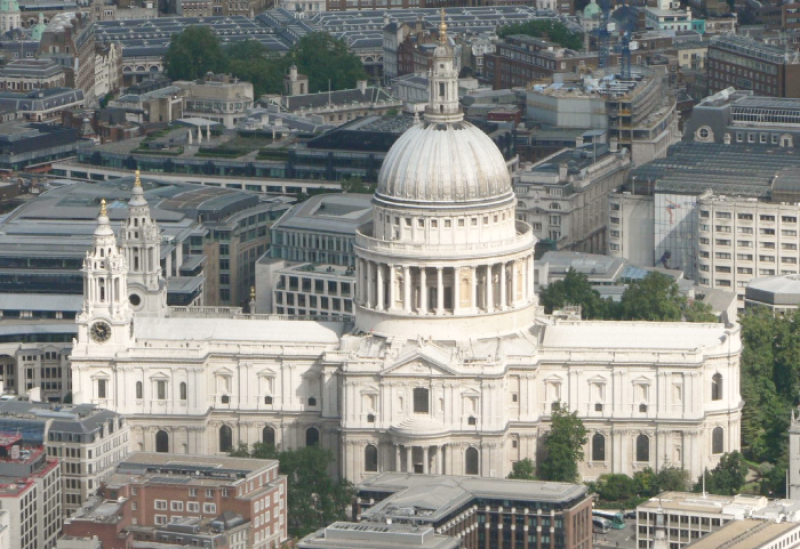
The Church of England is facing criticism after St. Paul’s Cathedral in London entered a multi-year agreement with Fabric, the nightclub whose license was revoked in 2016 following two drug-related deaths, to host concerts inside the cathedral.
Under the arrangement, Fabric has exclusive rights to stage concerts at St. Paul’s through 2030, according to the BBC.
Fabric, which opened in London’s Farringdon district in 1999, became one of the city’s best-known electronic music venues. Islington Council revoked its license in 2016, citing persistent drug-related concerns after two 18-year-olds died in separate incidents connected to drug use at the club.
The venue reopened in January 2017 after reaching new operating terms with Islington Council and London’s Metropolitan Police.
St. Paul’s has hosted concerts in previous years, including performances by RY X in 2023 and Patti Smith in 2024, according to a cathedral press release.
The agreement has also sparked objections because Lord Horatio Nelson is buried in the cathedral’s crypt. Some of Nelson’s descendants criticized the concerts as “an insult to Lord Nelson's memory,” arguing that the events amount to allowing people to “dance on graves.”
Peregrine Hood, president of the Nelson Society and a descendant of Nelson’s brother, told The Telegraph: “Is nothing sacred any more? What a sad reflection on where spiritual integrity and Christianity are today. St Paul's Cathedral positioning itself in this way is deeply depressing.”
Andy Smith, press officer for the Nelson Society, called St. Paul’s “the premier cathedral of the land” and said hosting raves or concerts there was deeply offensive to Christians.
“It is a profound insult to his memory, [and] to all those national heroes who are either buried or memorialized at St Paul's Cathedral,” GB News reported.
St. Paul’s has said the concerts are seated events, that attendees are instructed to remain seated and that the performances do not take place in the crypt where Nelson is buried, according to The Independent.
A similar controversy arose at Canterbury Cathedral after it began hosting silent discos in 2024, events critics derisively labeled a “rave in the nave.”
More than 1,600 people signed a petition calling for the events to end, with organizer Cajetan Skowronski arguing that they “would not bring young people closer to Christ” and could instead suggest “that entertainment deserves our attention more than God.”