The Congressional Equality Caucus sparked criticism from Christian leaders and conservative lawmakers after celebrating what it described as “the gayest Congress in American history” on Thursday, Nov. 5, following election victories by openly LGBT candidates across the United States.
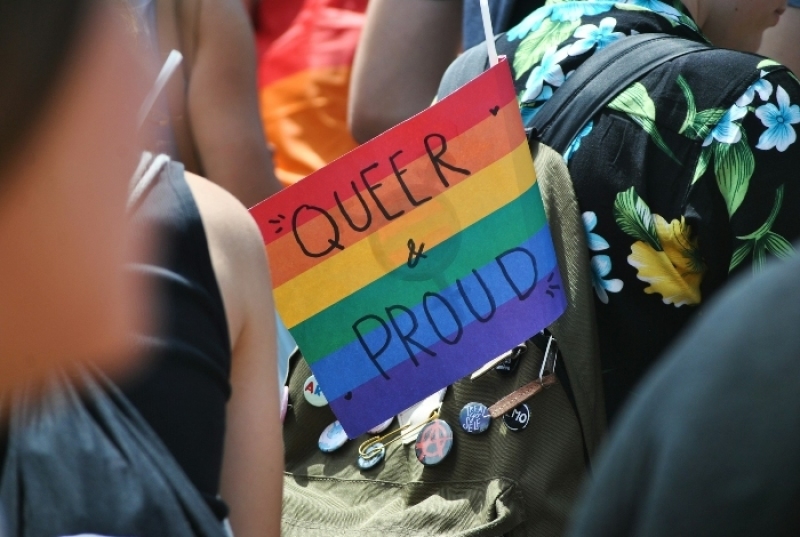
In a post on X accompanied by a rainbow-themed image, the caucus declared, “The American people have made their voices heard. The 120th Congress will officially be the GAYEST Congress in history! (that we know of),” The message, which included American flag, pride flag and transgender flag emojis, concluded with the words, “Let's get to work.”
The results are expected to bring a record number of openly LGBT lawmakers to the 120th Congress, with two senators and 15 representatives, all affiliated with the Democratic Party, slated to serve.
The caucus' celebration drew objections from several Christian commentators and Republican officials, some of whom expressed concern over Evangelical participation in the elections and the political direction of the incoming Congress.
Evangelist Sean Feucht criticized Christians who failed to participate in the election, warning, “When Christians stay home on Election Day, evil doesn't take a day off.”
Korean-American Christian podcaster Kangmin Lee also voiced concern about the election results, stating, “Woke 2.0 will be worse than Woke 1.0.”
Republican Sen. Jim Banks of Indiana joined the criticism by sharing a meme suggesting that Democrats had emphasized economic issues, including affordability and gasoline prices, during their campaigns while pursuing a broader political agenda centered on LGBT ideology.
Among the prominent election winners was Democratic Rep. Chris Pappas of New Hampshire, who secured a U.S. Senate seat and will serve alongside Sen. Tammy Baldwin of Wisconsin. Pappas is set to become the first openly gay man elected to the Senate and its second openly gay member.
The incoming House will also include six newly elected openly gay representatives alongside nine returning incumbents. The newcomers are Cait Conley of New York, JD Ford of Indiana, JoAnna Mendoza of Arizona, Jeremy Moss of Michigan, and California Democrats Marni von Wilpert and Scott Wiener. Janelle Sarauw, an openly lesbian politician from the U.S. Virgin Islands, will serve as a non-voting congressional delegate.
The elections also brought victories for transgender and nonbinary candidates in state and federal legislative contests. According to LGBT publication Pride Source, at least 11 such candidates won their races nationwide, including Democratic Rep. Sarah McBride of Delaware, who became the first openly transgender member of Congress after winning her initial election in 2024.