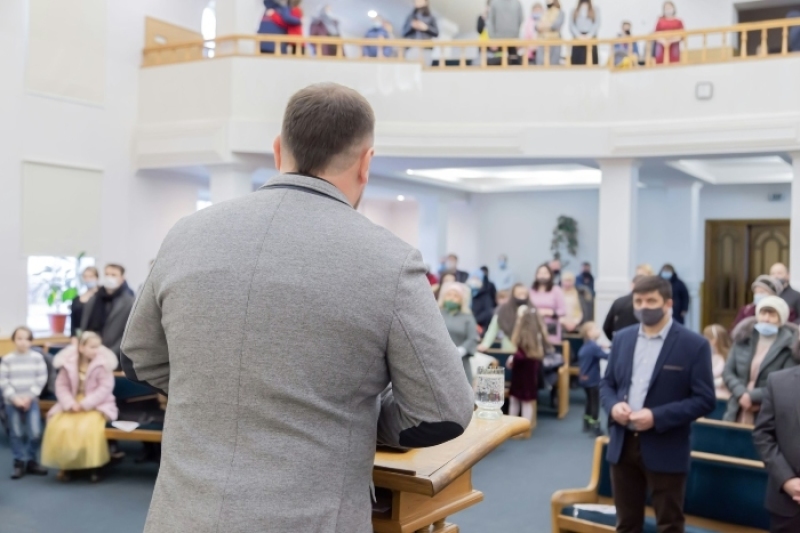
An overwhelming majority of Protestant pastors in the United States say they have no intention of endorsing political candidates during church services ahead of the 2026 midterm elections, even if such endorsements would not jeopardize their churches’ tax-exempt status, according to a Lifeway Research survey.
The study, conducted among 1,003 Protestant pastors nationwide between Sept. 2 and 24, 2025, found that 93% would refrain from publicly supporting candidates from the pulpit.
Respondents were asked to consider a scenario in which the Internal Revenue Service would not withdraw a church’s tax-exempt status if its pastors or leaders endorsed political candidates during worship services.
Only 5% indicated that they intended to make such endorsements, while the remaining 2% expressed uncertainty.
The survey also revealed differences across racial and denominational groups. African American pastors (11%) and pastors from other ethnic backgrounds (9%) were more likely to express an intention to endorse candidates than white pastors (4%).
Among denominations, Pentecostal pastors (13%) showed the greatest willingness to endorse candidates, followed by Baptist (9%) and non-denominational pastors (7%). In comparison, just 1% of Lutheran and Methodist pastors indicated similar intentions.
The findings emerge as the federal government faces legal questions surrounding the Johnson Amendment, a provision enacted in 1954 that prohibits tax-exempt organizations, including churches, from participating in partisan political campaigns.
The legal controversy intensified after the National Religious Broadcasters and two churches filed a lawsuit against the federal government in 2024, challenging restrictions on political endorsements by religious organizations.
In July 2025, the IRS and the plaintiffs jointly proposed a consent judgment indicating that the agency would not apply the Johnson Amendment to electoral political speech delivered by houses of worship during religious services.
However, U.S. District Judge J. Campbell Barker of the Eastern District of Texas declined to approve the proposed agreement in March, citing federal laws that generally limit judicial authority to issue advance rulings concerning tax enforcement.
Despite the Trump administration’s position on enforcing the Johnson Amendment, the survey suggests that most pastors remain guided by considerations other than potential tax penalties.
Scott McConnell, executive director of Lifeway Research, said the administration’s approach appears unlikely to change how pastors address electoral politics from the pulpit significantly.
“If the IRS ultimately allows candidates to be endorsed in church services, 93% of pastors will not do so,” McConnell said. “What pastors say from the pulpit has far more to do with their religious convictions than avoiding tax penalties.


