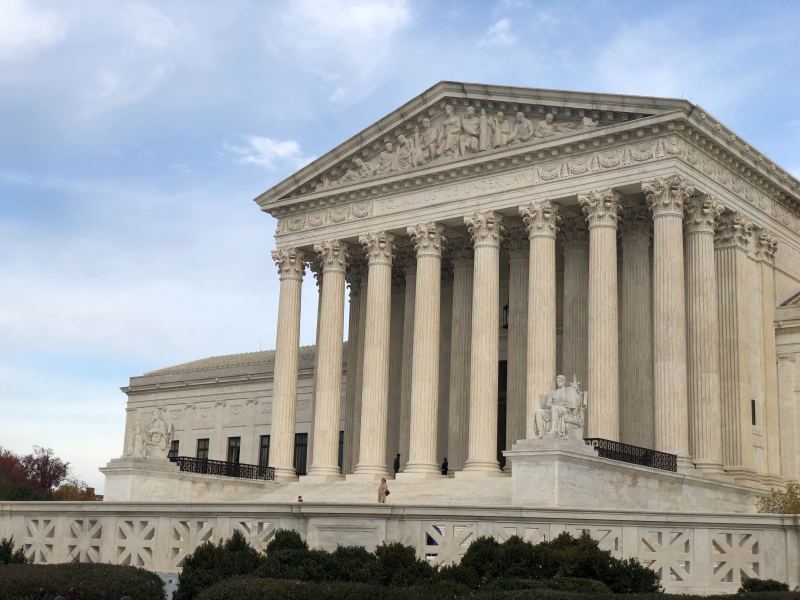
The U.S. Supreme Court has agreed to review a Kentucky dispute over whether a Catholic organization may construct a Marian shrine on its own property despite objections from nearby residents.
The justices will examine a Kentucky Supreme Court decision that ruled against the Missionaries of St. John the Baptist, which operates Our Lady of Lourdes Chapel in Park Hills, near Cincinnati.
The case could clarify how the Religious Land Use and Institutionalized Persons Act, or RLUIPA, applies when zoning restrictions interfere with the religious use of property. No date has yet been set for oral arguments.
The Missionaries of St. John the Baptist contends that preventing construction of the shrine would violate RLUIPA, which protects religious organizations from substantial burdens imposed through land-use regulations.
“Telling a church it can’t build a modest place for prayer and reflection on its own property is outrageous,” Kelly Shackelford, CEO of First Liberty Institute, which represents the group, said in a statement. “Federal law provides clear protections for how faith-based organizations can use their property to support their mission. This is an important case for religious freedom.”
The dispute dates to 2021, when the association sought approval to build a small grotto behind the chapel. The Park Hills Board of Adjustment granted both a variance and a conditional use permit, citing RLUIPA.
Neighbors Joel and Elizabeth Frederic challenged that approval, saying the shrine could create additional traffic and parking concerns if it drew pilgrims.
Plans call for a grotto containing a statue of Mary, another statue of St. Bernadette, along with a patio and walkway.
A trial court initially ruled in favor of the chapel, but the Kentucky Court of Appeals reversed that decision. The Kentucky Supreme Court later upheld the appeals ruling in December 2025, finding that the local board had exceeded its authority in approving the variance.
The planned shrine commemorates the Virgin Mary’s reported appearances to St. Bernadette in Lourdes, France.
Under RLUIPA, governments that substantially burden religious exercise through zoning decisions must show that the restriction serves a compelling interest and is the least restrictive means of achieving it.