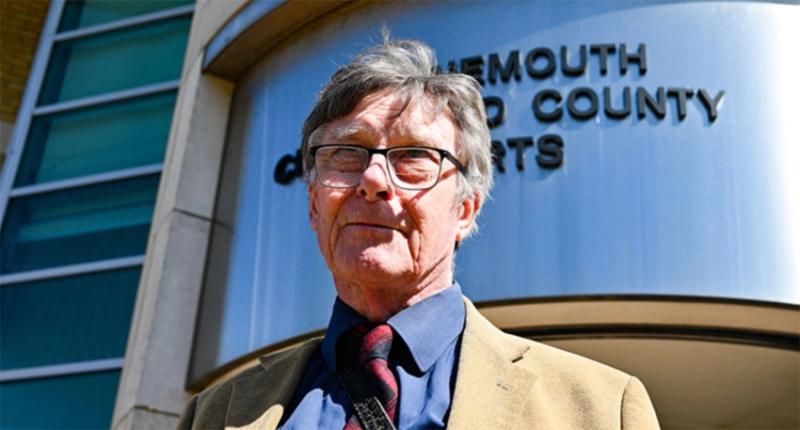
A court ruling has cleared a Christian pro-life activist of a prior conviction related to sending graphic images.
According to Christian Today, a High Court judge has overturned the conviction of David Skinner, an 80-year-old activist who had been prosecuted for distributing graphic abortion-related images.
Skinner was originally found guilty under communications laws after sending an email that the Crown Prosecution Service classified as containing grossly offensive material intended to cause distress.
The message, sent in April 2023, was directed to senior police officials and local council members in Dorset in South West England and was written in response to the implementation of an abortion clinic buffer zone in the area.
The email included graphic depictions of aborted babies, references to the Holocaust and strongly worded criticism of both the buffer zone and how it was being enforced.
Following his conviction, Skinner was fined £3,840 ($4,490), but he challenged the decision in court, leading to a review of the case.
In a judgment delivered in Bournemouth, Justice Saini ruled that maintaining the conviction would disproportionately infringe on Skinner’s rights to freedom of expression and religion.
“This is a case about freedom of expression and freedom of religion,” the judge said.
He added, “We do not take away from the offense that the complainants would have experienced on receiving the letter. Nevertheless, we find that it would not be a proportionate interference to allow the conviction.”
As a result of the ruling, Skinner’s conviction was quashed, and he was granted a defense costs order.
Responding to the decision, Skinner expressed gratitude while clarifying his intentions behind the email. He said he was “deeply grateful” for the ruling and emphasized that his aim was not to cause distress but to raise “matters of profound moral and public importance.”
“This prosecution should never have been brought. It has taken a heavy toll on me, but I hope this ruling will protect others who wish to speak out peacefully on matters of conscience without fear of being criminalized,” he said.
The case received support from the Christian Legal Centre, which described the decision as a significant precedent in defending both religious liberty and political expression.