A verse from the New Testament book of 2 Timothy stood out as the most examined passage of the year, based on a sweeping analysis of how millions of people around the world are interacting with the Bible.
The findings come from a new report released Monday by Logos, which unveiled Logos Chronicled, a data-driven snapshot drawn from 76 million Bible study sessions recorded in 2025. The analysis reflects the habits of roughly 4 million users across 164 countries and 35 territories, including nations such as Brazil, Germany, Mexico, South Korea, and Singapore.
According to the report, the verse most frequently studied was 2 Timothy 3:16: “All Scripture is God-breathed and is useful for teaching, rebuking, correcting and training in righteousness.”
Researchers suggested the prominence of this verse indicates that many users are beginning their study time by reaffirming belief in the divine inspiration of Scripture rather than viewing it as a purely human text.
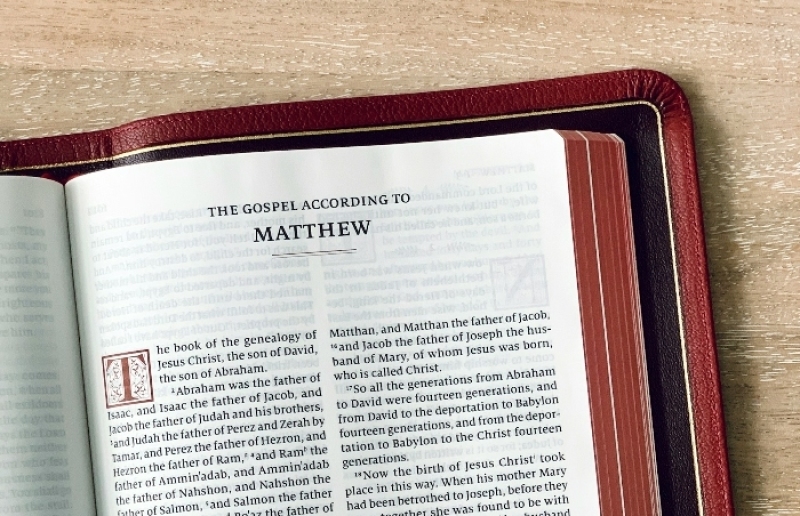
When it came to entire books of the Bible, Matthew ranked as the most-studied, followed closely by John and Luke, which also appeared among the top five. The data further revealed that the Greek word most often searched by users was “Logos,” a term that can be translated as “word,” “reason,” or “message.”
Interest in original biblical languages was also evident. The Nestle-Aland 28: Novum Testamentum Graece—widely regarded as the leading critical edition of the Greek New Testament—placed tenth among the most-opened Bible texts on the platform, suggesting strong engagement with Scripture in its original form.
The report also highlighted growth among Spanish-speaking users. The Reina Valera Revisada (1960), a well-known Spanish translation, ranked seventh in overall usage, which Logos said may point to an expanding international and multilingual audience.
Search behavior reflected a focus on core elements of faith. “God” topped the list of most-searched terms, followed by “Jesus” and “Spirit,” while “Dios,” the Spanish word for God, ranked sixth.
Separate research released earlier this year points to a similar trend of renewed engagement with Scripture in the United States. The “State of the Church” initiative—conducted jointly by Barna Group and Gloo—analyzed responses from 12,116 online interviews conducted between January and October 2025.
That study found that about half of self-identified Christians now read the Bible weekly, marking the highest reported level of regular Bible reading in more than a decade.
While women have historically led in weekly Bible reading, the latest data show a shift among younger adults. Gen Z men reported a 54% weekly reading rate and millennial men 57%, compared with 46% among Gen Z women and 43% among millennial women.