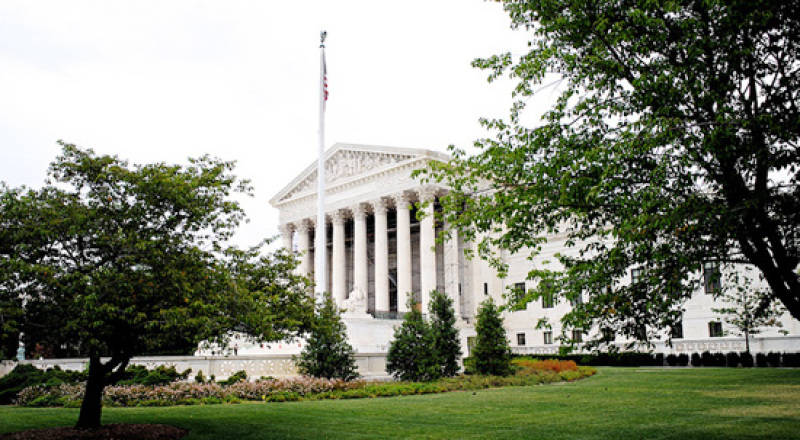

The Supreme Court ruled against Texas abortion restrictions on Monday that mandated hospital-like surgical standards and hygiene in clinics and access to emergency hospitals which sponsors of the bill say are to protect women against botched abortions.
The first regulation required abortion clinics to be certified as ambulatory surgical centers, and the second made it mandatory for doctors who perform abortions at clinics to have admitting rights at nearby hospitals where patients could be taken for in case of complications.
The court, in its 5-to-3 verdict, ruled that the Texas government imposed the restrictions only to reduce abortion access and not out of concern for women's health.
The regulations in Texas would have closed down most abortion clinics, abortion advocates say.
The majority opinion said that these regulations were "undue burden" on women trying to end their pregnancies.
"The surgical center requirement, like the admitting-privileges requirement, provides few, if any, health benefits for women, poses a substantial obstacle to women seeking abortions, and constitutes an undue burden on their constitutional right to do so," said Justice Stephen G. Breyer who wrote for the majority.
As the mandate on abortion clinics in Texas is struck down, the court is expected to dismiss similar laws in seven other states which have lawsuits filed against them for regulating abortion clinics.
States including Louisiana, Wisconsin, Alabama, Oklahoma, Kansas, and Mississippi have laws that require clinics to have admitting privileges to nearby hospitals. These laws are also being challenged in courts.
Tennessee requires abortion clinics to wait for 48 hours after women seeking abortion are counselled. The state is facing a lawsuit for this regulation as well.
States of Kansas and Oklahoma enacted laws banning the 'dilation and extraction' method of abortion during the second trimester abortion which dismembers the fetus to remove it from the uterus. Both the states' laws were dismissed by courts.
Four states including West Virginia, Mississippi, Alabama, and Louisiana have passed their own versions of the law banning the dilation and extraction abortion method in 2016, but they have not been challenged in court.
Justice Clarence Thomas opposed the majority verdict and said in his dissenting opinion that the court applies different rules for different constitutional rights.
"As the court applies whatever standard it likes to any given case, nothing but empty words separates our constitutional decisions from judicial fiat," he wrote.
"The decision erodes States' lawmaking authority to safeguard the health and safety of women and subjects more innocent life to being lost," said Texas governor Greg Abbott regarding the ruling. "Texas' goal is to protect innocent life, while ensuring the highest health and safety standards for women."