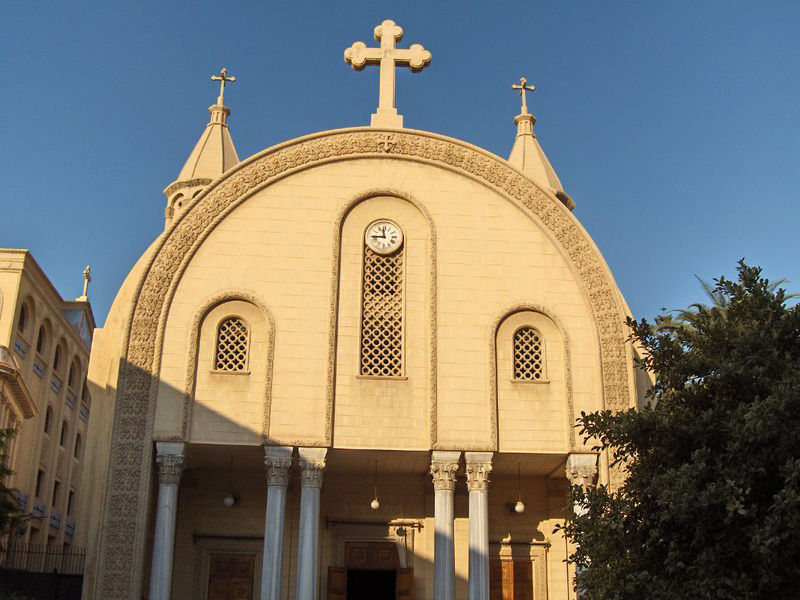
Egypt has granted official legal recognition to 191 churches and church-affiliated facilities belonging to various Christian denominations.
The decision was approved through an executive order issued on May 19 after a cabinet session led by Prime Minister Mustafa Madbouli. According to Christian Solidarity Worldwide, the measure represents the 30th round of approvals issued by the government committee responsible for reviewing church legalization requests.
Since the enactment of Egypt’s Church Construction Law in 2016, authorities have formally recognized 3,804 churches and related service buildings. The legislation transferred responsibility for approving church construction and renovation projects from national security agencies to provincial governors, significantly altering the approval process.
Under the legal framework established by Law No. 80 of 2016, churches seeking official recognition must satisfy a range of requirements, including compliance with safety regulations, verification of property ownership and payment of designated administrative fees.
Despite the latest approvals, many churches constructed over previous decades still lack legal status. Christian Solidarity Worldwide President Mervyn Thomas welcomed the government’s latest action and encouraged officials to continue processing remaining applications.
Observers note that the legal requirements imposed on churches are not applied in the same way to Sunni Muslim mosques. In addition, Ahmadi, Baha’i and Shia religious communities remain outside the scope of the church legalization law.
Duane Friesen of Voice of the Martyrs Canada described the approvals as an encouraging step forward while emphasizing that Christians in Egypt continue to face significant challenges as a minority faith community. He noted that government institutions have historically struggled to ensure equal treatment for non-Muslim religious groups.
Friesen highlighted ongoing concerns affecting Christian families and workers. Among the issues cited were reports of Christian girls facing pressure through forced marriages to Muslim men and cases in which Christian employees encounter discrimination after their religious identity becomes known. At the same time, he warned that greater emphasis on formal church registration may also lead to increased government monitoring of Christian organizations and activities.
The latest church approvals coincided with a separate setback for Christian advocacy efforts in the country’s legal system.
Last month, an Egyptian court dismissed a petition that sought official recognition of Easter as a national holiday. Rather than addressing the substance of the request, the court ruled that the matter falls under the authority of the prime minister’s office and therefore lies outside judicial jurisdiction.
Christian leaders and religious freedom advocates representing several denominations have indicated they intend to challenge the decision through the appeals process.