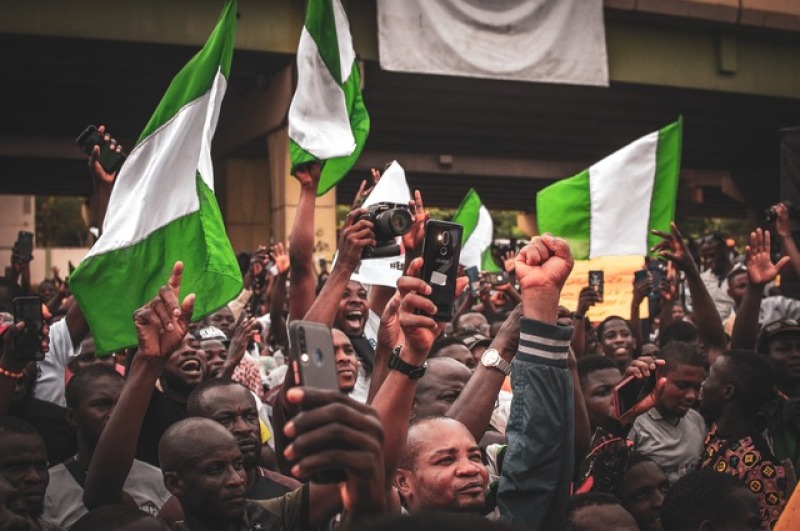
The United States has finalized a 5.1 billion dollar health partnership with Nigeria that will channel significant new resources to Christian faith-based medical providers, aiming to strengthen healthcare delivery while offering added protection for vulnerable Christian communities.
The five-year agreement represents a fresh chapter in bilateral cooperation under the America First Global Health Strategy, emphasizing shared responsibility and measurable outcomes.
Under the newly signed memorandum of understanding, the U.S. government will invest close to $2.1 billion to support efforts addressing HIV, tuberculosis, malaria, polio, and maternal and child health challenges, the State Department confirmed.
Nigeria, in turn, has committed approximately $3 billion in domestic funding over the same period, marking the largest national co-investment yet made under the initiative.
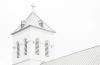
About $200 million of the U.S. contribution is designated for more than 900 Christian-run clinics and hospitals across Nigeria. According to the U.S. Mission in Nigeria, these facilities provide care to over 30% of the population despite accounting for only a tenth of the country’s healthcare providers.
The agreement also links U.S. assistance to Nigerian reforms intended to curb violence against Christian communities, while expanding integrated healthcare services—particularly infectious disease treatment and maternal care—within faith-based institutions.
U.S. officials said the targeted investments are meant to supplement Nigeria’s public health system and reinforce the country’s broader healthcare capacity.
The deal comes as Washington shifts global health assistance toward bilateral frameworks that prioritize accountability and shared investment. Nigeria continues to face severe health challenges, including some of the world’s poorest maternal and child health outcomes and roughly 30% of the global malaria burden.
The State Department noted that U.S. leadership retains the right to suspend or terminate programs if they no longer align with American national interests or policy goals.
U.S. officials also indicated that continued funding will be tied to Nigeria’s progress in confronting extremist violence, particularly in regions where Christian communities have been targeted.
Nigeria remains sharply divided along religious lines, with the Muslim-majority north operating Sharia law alongside federal statutes and enforcing public morality through religious police such as the Hisbah.
In contrast, the predominantly Christian south operates without religious law and is characterized by strong church networks and Evangelical movements. The central Middle Belt, where religious and ethnic lines intersect, continues to experience recurrent violence.
International watchdog Open Doors has repeatedly warned that Nigeria accounts for more Christian deaths due to religious persecution each year than any other country worldwide.