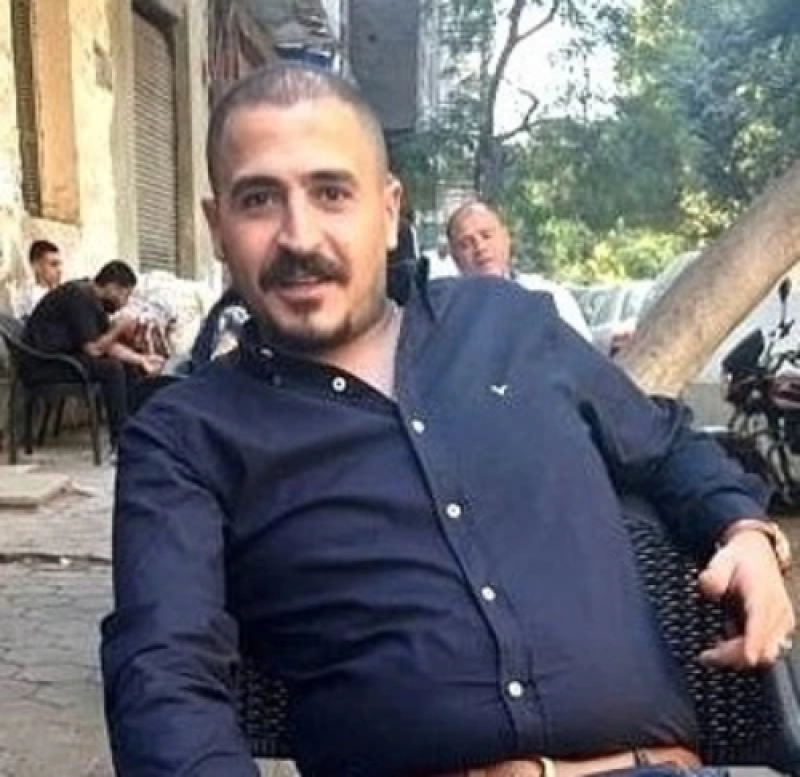
An Egyptian man who converted from Islam to Christianity is now on trial in Cairo, facing serious charges tied to his faith and efforts to change his religious designation on identity papers.
The case against Said Mansour Rezk Abdelrazek was formally opened last week, drawing attention from religious freedom advocates.
Abdelrazek was initially arrested in July under charges linked to terrorism. While leaving Islam is not itself illegal in Egypt, attempts to alter religious identification on state documents are widely restricted and can expose converts to accusations of threatening national security.
According to Coptic Solidarity, prosecutors have filed multiple allegations against him, including forming and leading an unlawful group, joining such a group, financing its activities and promoting beliefs considered harmful to national unity, along with charges of insulting Islam.
On April 21, his legal team filed several motions, including a request for additional time to prepare a full defense. The court approved the delay and scheduled the next hearing for June 15.
Abdelrazek is currently being held at the 10th of Ramadan Prison, where reports indicate he has been denied adequate food, clothing and medical care, and subjected to physical abuse, including being suspended in a “crucifixion” position.
The proceedings are taking place before Egypt’s First Criminal Terrorism Circuit in Badr, located in eastern Cairo.
His defense team includes lawyers from the Egyptian Initiative for Personal Rights, the Egyptian Commission for Rights and Freedoms and the office of Cassation lawyer Saeed Fayez.
Difficulties stemming from his conversion led Abdelrazek to leave Egypt in 2019 and seek refuge in Russia, according to the U.S. Commission on International Religious Freedom.
He applied for asylum on religious grounds, but in 2023 Russian authorities detained him over a privately recorded video that was alleged to offend Islam, as well as his online commentary about the religion.
In 2024, Russia deported him back to Egypt despite his status with the United Nations High Commissioner for Refugees, which had recognized him as eligible for international protection, raising concerns among rights advocates about violations of non-refoulement principles.
Upon his return, Egyptian authorities detained him for approximately 10 days without allowing communication with the outside world.
“When communication resumed, Egyptian authorities interrogated him about his religious beliefs and pressured him to reconsider his faith, monitor other converts, and asked him to delete his social media accounts,” USCIRF states on its website. “Authorities ultimately released him with instructions not to speak publicly or proselytize.”
In July 2025, Abdelrazek was again arrested without a warrant after he resumed sharing his religious views online and sought legal assistance to officially change his religious designation.
He has also reported that during his detention he was forced to undergo the painful removal of a Christian tattoo and was held for extended periods in a “crucifixion” position.
Abdelrazek is currently awaiting a decision on a humanitarian visa application he submitted to Australia in May 2024.