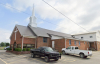
A church in Wichita, Kansas, is finding a practical way to serve its neighbors by helping drivers pay for fuel during a time of increasing gas prices.
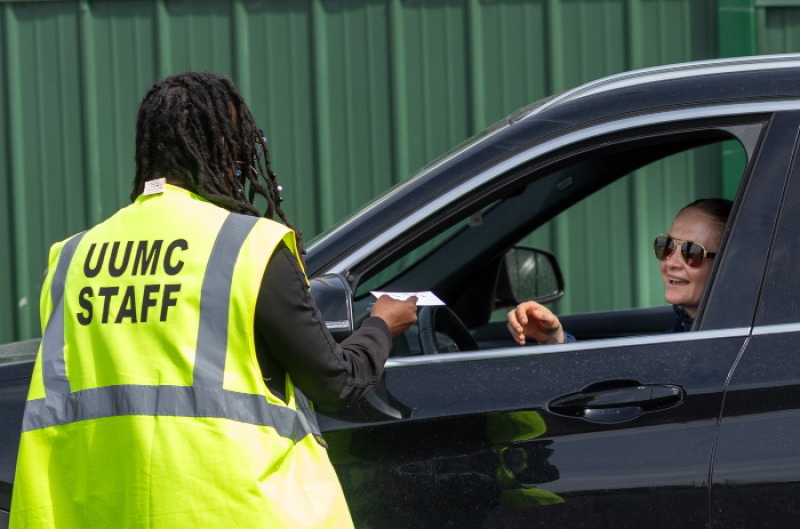
University United Methodist Church recently organized a community outreach effort called “Love at the Pump,” where volunteers distributed hundreds of gas cards to local commuters as a gesture of encouragement and support.
During the Saturday event, the congregation handed out 200 prepaid gas cards valued at $20 each. Additional contributions from donors also allowed the church to provide more assistance to families struggling with fuel expenses.
Pastor Yolanda White-Oliver explained in comments to The Christian Post that the outreach was inspired not only by the financial strain many families are experiencing at the gas station, but also by a desire to reconnect with individuals who may have lost confidence in churches.
According to White-Oliver, the church hoped “to reach those who may no longer believe that the church is a reliable resource” and “to spread love in our community and overshadow negative news, to remind people that God is still on the throne and that people still care.”
The outreach team provided more than just fuel assistance during the event. Volunteers personally greeted drivers with kindness and encouragement, while also giving families $20 gas cards to help ease the burden of filling their tanks.
Before handing out the cards, volunteers asked motorists “if there was anything we could pray with or for them about,” she told CP.
The church also created a welcoming atmosphere by providing refreshments and small gifts for pets traveling in vehicles.
“We also provided snacks and water, as well as doggy treats for the fur babies in the vehicle,” she continued. “Please note we did not collect any information. There were no strings attached.”
White-Oliver emphasized that the initiative was designed to reflect Christ’s compassion through direct action rather than obligation or promotion.
“But when someone pulls up, receives help without being asked for anything in return, and is treated with dignity, they experience a glimpse of what Jesus actually looks like in real life,” she told CP.
“Jesus met people in ordinary places and responded to real needs. He fed people, healed people, and paid attention to those who were often overlooked. This kind of moment at the pump follows that same pattern. It says, ‘God sees you. You matter. You are not alone.’”