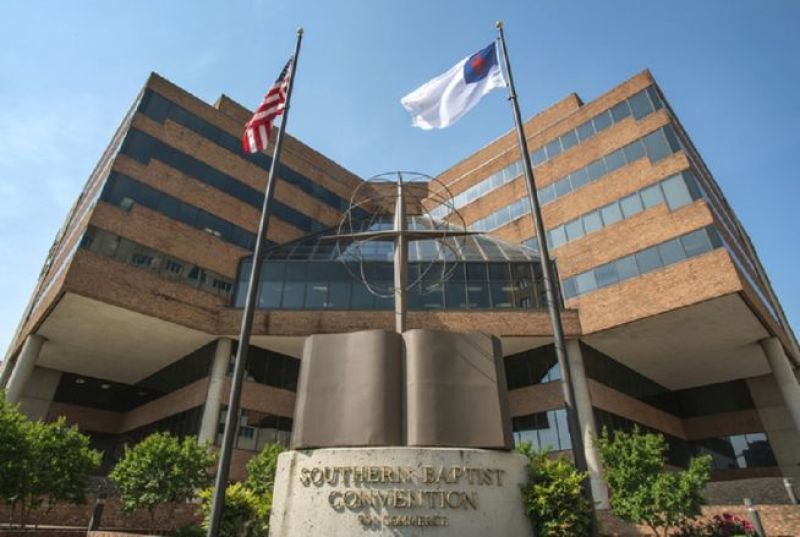
Membership in the Southern Baptist Convention declined in 2025, even as key indicators such as worship attendance and baptisms showed continued growth, according to newly released data.
A report published Tuesday by Lifeway Research analyzing Annual Church Profile statistics found that total SBC membership fell by more than 3% over the past year.
The data showed membership decreasing from approximately 12.72 million in 2024 to about 12.33 million in 2025.
At the same time, participation in weekly worship services increased, with about 4.5 million people attending SBC congregations in 2025, up from roughly 4.3 million the previous year.
Engagement in smaller group settings also saw modest growth, as attendance in Sunday School classes and Bible study groups rose from around 2.5 million in 2024 to more than 2.6 million in 2025.
Baptism numbers likewise continued their upward trend, rising by nearly 5% in 2025 compared to the previous year.
The report noted that 263,075 individuals were baptized, representing a 4.96% increase and surpassing figures recorded prior to the COVID-19 pandemic, including those from 2017.
The denomination experienced a significant decline in 2022, when membership dropped by approximately 457,000 — the largest decrease in a century — bringing total membership to about 13.22 million.
Although the current membership total remains well above the roughly 7 million reported in 1950, it is still lower than the peak of about 16.3 million recorded in 2006.
Like many Christian denominations in the United States, the SBC has faced ongoing declines in both membership and the number of congregations in recent years, though it continues to be the nation’s largest Protestant body.
Jeff Iorg, president and CEO of the SBC Executive Committee, highlighted the positive trends in participation and outreach.
He said he was “grateful Southern Baptists continue to show growth in key metrics like baptisms, worship attendance and Bible study participation.”
He added, “Southern Baptist churches are focused on sharing the Gospel and making disciples, the mission we cooperate to fulfill. While many other issues vie for our attention, pastors seem more determined than ever to focus on our core mission.”