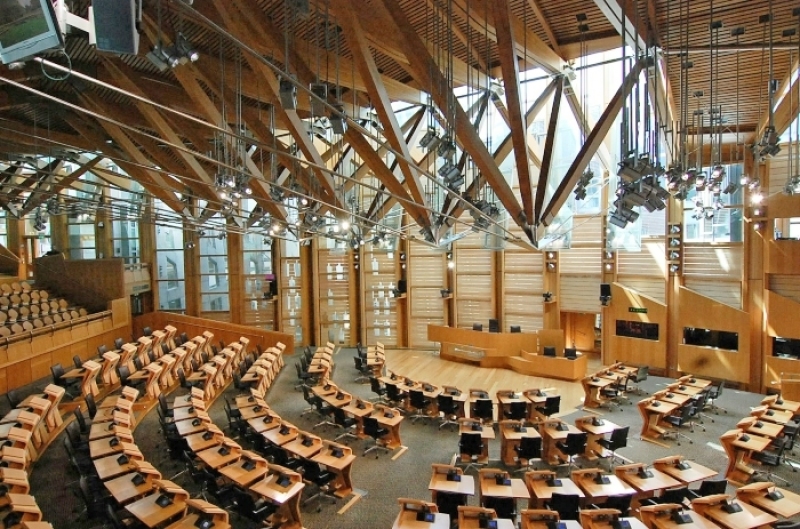
Scotland’s Parliament has voted down a proposal to legalize assisted suicide, marking the end of a closely watched legislative effort led by MSP Liam McArthur following a lengthy and deeply personal debate.
McArthur’s Assisted Dying for Terminally Ill Adults (Scotland) Bill sought to permit mentally competent adults with terminal illnesses, who had lived in Scotland for at least one year, to receive medical help to end their lives.
After years of discussion and revisions, lawmakers ultimately rejected the bill in a late-night vote on Tuesday, with 69 MSPs opposing the measure, 57 supporting it, and one abstaining.
The debate leading up to the vote was marked by emotional testimonies, with several members sharing personal experiences related to serious illness and the loss of loved ones.
Many lawmakers acknowledged the historic weight of the decision, as previous attempts to introduce assisted suicide legislation in Scotland had not progressed this far. Scottish Labour deputy leader Jackie Baillie, who opposed the bill, described it as the most “consequential of the devolution era”.
Throughout the debate, McArthur emphasized that the proposed legislation was “tightly drawn,” “heavily safeguarded” and “legally defensible,” but he later acknowledged its likely defeat as opposition grew, including among some who had earlier supported it.
Among those who reversed their position was Conservative MSP Brian Whittle, who said that although his "instinct is to allow choice", he ultimately concluded that the bill “in the current social climate meets the high bar required to pass assisted dying legislation".
Other lawmakers echoed concerns raised during the session, particularly regarding potential coercion and insufficient protections for healthcare professionals such as pharmacists and doctors.
Professional bodies also shifted their stance in the days leading up to the vote. Both the Royal College of Psychiatrists in Scotland and The Royal Pharmaceutical Society in Scotland moved from neutral positions to opposing the bill after certain safeguards, including conscience protections, were removed.
Opposition to the bill included several prominent political figures, such as SNP leader John Swinney, Scottish Labour leader Anas Sarwar, Scottish Conservative leader Russell Findlay and former First Minister Humza Yousaf.
Support for the measure came from Scottish Liberal Democrat leader Alex Cole-Hamilton, Scottish Greens co-leaders Ross Greer and Gillian Mackay, along with other MSPs, but it ultimately fell short of securing enough votes.
Throughout the proceedings, recurring concerns centered on the adequacy of safeguards, the risk of coercion and the broader impact on vulnerable populations, including individuals with disabilities.
Peter Lynas, U.K. director of the Evangelical Alliance, welcomed the outcome, calling the bill "unsafe, unworkable, and risked undermining the value of those who are elderly, disabled or nearing the end of life".
"Scotland must be a place where everyone can live with dignity and thrive," he said.
"This decision should ensure renewed commitment to high-quality, compassionate end-of-life care across our health and social care systems."